


What Is the Difference Between a Comprehensive Eye Exam and a Medical Eye Exam?
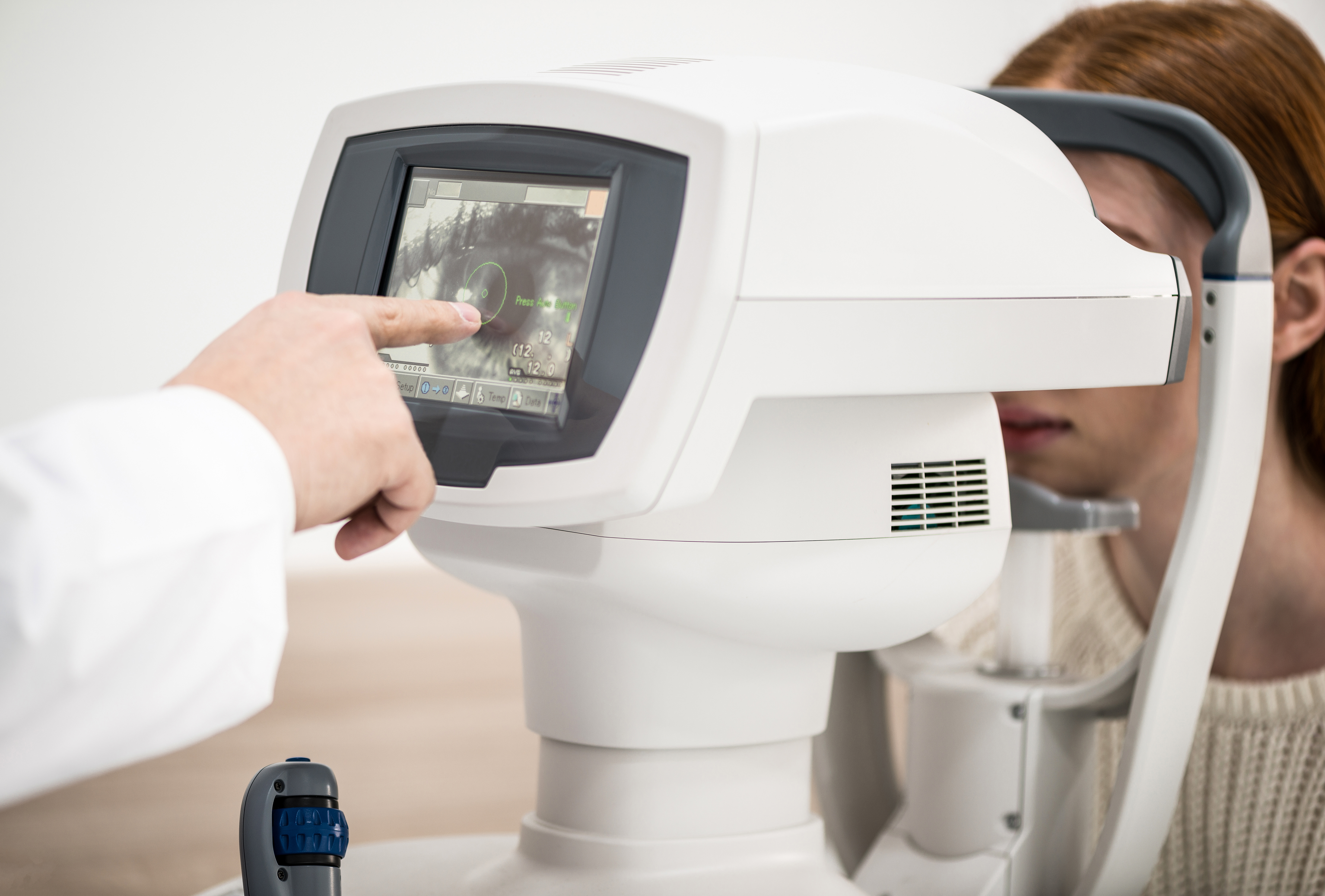
Not all eye exams serve the same purpose. While some focus on maintaining clear vision and detecting potential problems, others address specific eye conditions or symptoms. At Fowle Eyecare Associates in Rockford, MI, we provide comprehensive eye exams and medical eye care to support our patients' vision and long-term eye health. Understanding the differences can help you determine which appointment is appropriate for your needs.
What Is a Comprehensive Eye Exam?
A comprehensive eye exam is a routine evaluation that assesses both your vision and overall eye health. These exams help identify prescription changes, detect early signs of eye disease, and evaluate how well your eyes function together.
During a comprehensive eye exam, we may assess visual acuity, refractive errors, eye coordination, peripheral vision, and eye pressure. We also examine internal and external eye structures, including the retina and optic nerve.
Regular comprehensive eye exams are important because certain eye conditions can develop without noticeable symptoms, making early detection essential.
What Is a Medical Eye Exam?
A medical eye exam focuses on diagnosing, evaluating, or managing a specific eye health concern rather than primarily assessing your vision prescription. Medical eye exams may be recommended for patients experiencing unusual symptoms, managing chronic eye diseases, or requiring additional testing for an existing condition.
At our Rockford practice, medical eye care can address conditions such as glaucoma, dry eye disease, cataracts, macular degeneration, and diabetes-related eye complications. The specific evaluation and follow-up recommendations depend on your symptoms, medical history, and clinical findings.
How Does Testing Differ Between the Two Exams?
Although both examinations assess eye health, the testing performed depends on the purpose of your visit.
A comprehensive eye exam generally includes a broad evaluation of vision and ocular health. A medical eye exam may involve more targeted diagnostic testing, such as retinal imaging, visual field testing, or detailed examinations of particular eye structures.
Medical appointments do not always include a refraction to update your glasses prescription, so discussing your needs when scheduling is helpful.
When Should You Schedule a Medical Eye Exam?
Certain symptoms and medical conditions may indicate the need for a medical eye evaluation rather than a routine vision appointment.
Common reasons include:
· Persistent eye redness, irritation, or discomfort
· Unexplained blurred vision or changes in visual clarity
· New flashes of light, floaters, or other unusual visual disturbances
· Ongoing dry eye symptoms that interfere with daily activities
· Eye health concerns associated with diabetes or previously diagnosed eye diseases
New flashes or floaters require prompt, same-day evaluation. Sudden vision loss, severe eye pain, or a curtain-like shadow over your vision requires immediate medical attention.
How Does Insurance Coverage Differ?
One important difference involves insurance coverage. Routine comprehensive eye exams are commonly covered under vision insurance benefits, while medically necessary eye evaluations may fall under medical health insurance.
Coverage depends on your specific plan, the reason for your visit, and the services performed. Medical insurance may not cover routine refraction or eyewear expenses. Our team can help you understand your benefits and determine which insurance information may be needed for your appointment.
Can You Need Both Types of Eye Exams?
Yes. Comprehensive and medical eye exams serve different but complementary purposes. A routine examination may reveal a potential medical concern requiring additional testing, while a medical evaluation may not address every aspect of your prescription or routine vision care.
We recommend discussing your symptoms, eye health history, and appointment goals with our team so we can help guide you toward the appropriate evaluation.
To schedule a comprehensive eye exam or medical eye evaluation, contact Fowle Eyecare Associates in Rockford, MI, at (616) 866-0140.


Our Services
Contact Info


Hours of Operation
- Monday 8:45am – 8:00pm
- Tuesday 8:45am – 8:00pm
- Wednesday 8:45am – 8:00pm
- Thursday 8:45am – 8:00pm
- Friday 8:45am – 5:00pm
- Saturday Closed
- Sunday Closed
© 2026 Fowle Eyecare Associates . All rights Reserved. Accessibility Statement - Privacy Policy - Sitemap
Powered by:
